

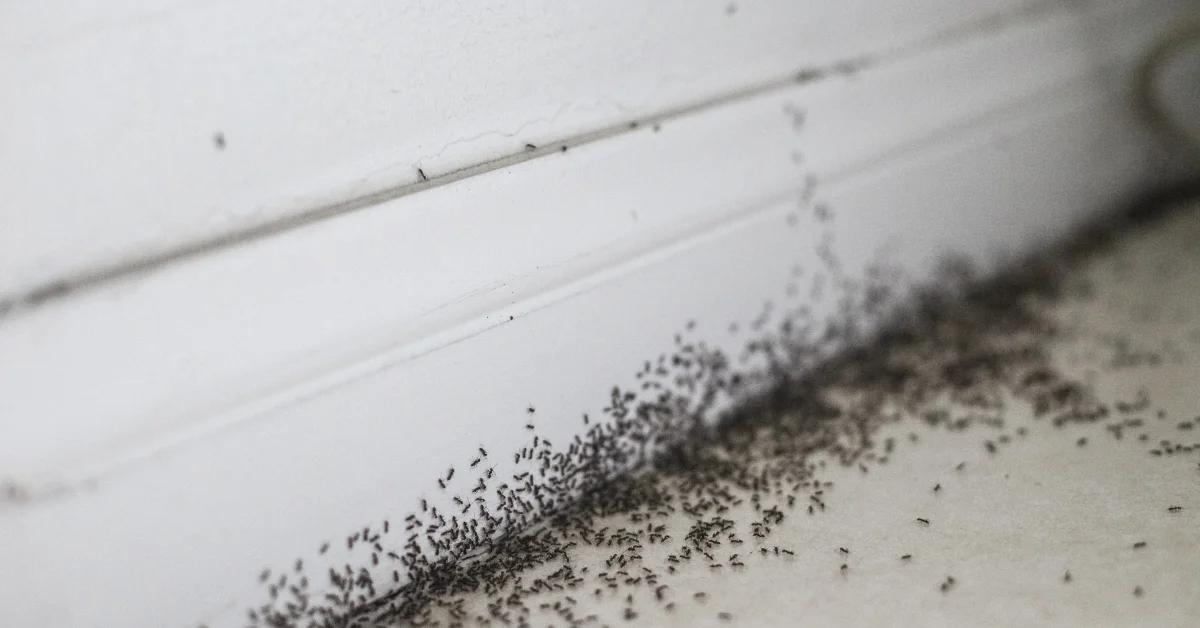
When temperatures spike, it can feel like insects suddenly “appear” indoors overnight—especially in kitchens, bathrooms, laundry rooms, and near A/C equipment. The truth is more specific (and more fixable): most heat-wave pest problems come down to stress biology (bugs overheat and lose water fast), microclimates (tiny pockets of cooler/steadier conditions in and around your home), and easy access through gaps you don’t notice until pest activity forces you to.
Heat Stress, Dehydration Risk, And The Indoor Microclimate Bugs Seek
Ectotherms Under Stress: Activity Surges, Then Shifts To Cooler Hours
Insects are ectotherms, meaning their body temperature—and their activity level—tracks the environment. During a heat wave, you may see a burst of movement and then a pattern shift: fewer sightings in the hottest part of the afternoon, followed by more activity at dusk and at night. That’s why “Why are bugs worse at night when it’s hot?” is such a common question. Warmth speeds up metabolism and foraging until surfaces get hot enough to become dangerous; then many pests retreat into cracks and shaded voids and re-emerge when temperatures drop. There isn’t one magic number for “What temperature do bugs start coming inside?” because it varies by species, but homeowners often notice indoor pressure when outdoor highs stay in the upper 80s–90s for multiple days, especially when lawns and landscaping dry out and pests lose their usual outdoor shelter.
Desiccation And Hidden Refuges: Moisture Gradients Matter More Than “A/C Air”
A big driver during heat spikes—especially when it’s hot and dry or when soil dries out fast—is desiccation (water loss). Hot air can pull moisture from small bodies quickly, so many “bugs looking for A/C” are really looking for humidity pockets and reliable water. Indoors, those pockets are often under-sink cabinets, behind toilets, around floor drains, near laundry hookups, and anywhere A/C creates condensation. This is also where dew point and vapor pressure deficit (VPD) come into play in plain English: when indoor air is cooler and moisture is present (even a small drip or sweating pipe), that spot becomes a safer microclimate than the yard. As a practical target, many moisture-loving pests (like roaches and silverfish) do better when indoor relative humidity stays high, so maintaining indoor RH around 45–50% (and avoiding long stretches above ~55–60%) can make your home noticeably less inviting.
The Three Indoor Attractors During Heat Spikes: Moisture, Food, And Harborage
Moisture Hotspots: Condensation Lines, Leaks, And High-Humidity Rooms
If you only check one thing during a heat wave, check moisture—because it’s the fastest way to turn “random bugs” into a repeat problem. People ask, “Does air conditioning attract bugs?” Not exactly; the cold air isn’t the bait. The condensation can be. A/C drip lines, clogged condensate drains, overflowing pans, and sweating ductwork create tiny wet zones that bugs can detect and follow. Bathrooms and kitchens are the obvious suspects, but don’t miss the laundry room, the water heater area, and the back side of the fridge (especially if there’s a supply line). In humid climates like Louisiana, even “normal” dampness can add up fast—so a simple hygrometer plus a quick leak/condensation check often explains why activity suddenly ramps up during extreme heat.
- Look for standing water or staining near the indoor air handler and condensate pan
- Check under sinks around P-traps, supply lines, and garbage disposals
- Inspect behind the fridge and dishwasher for slow leaks
- Notice pipe “sweat” (condensation) in cabinets and utility spaces
- Limit overnight water sources (pet bowls, plant trays) when activity is high
Food, Odor Trails, And Harborage: Why Heat Makes Indoor “Routes” Stick
Heat waves also amplify food-driven behavior. Outdoors, extreme heat can reduce available forage and push insects to travel farther; indoors, food is stable, sheltered, and easy to re-locate once a scent trail is established. Ants are a perfect example: they lay pheromone trails, and those trails persist longer in protected indoor spaces than on scorching pavement. That’s why wiping with soap and water (not just rinsing) helps break trails. Harborage is the third piece—clutter, cardboard, and the cool shadowed gaps around appliances create safe resting spots when temperatures peak. Corrugated cardboard is especially pest-friendly because it holds a bit of moisture, offers tunnel-like structure, and often sits near food storage. If you’re seeing repeated activity, reducing those hiding zones can be as important as any spray.
Which Bugs Move Indoors In Heat (And What Their Presence Usually Means)
Ants In Heat Waves: Moisture-Driven Trail Changes And Sudden Kitchen Takeovers
“Why are ants suddenly in my kitchen during a heat wave?” usually comes down to water access. When soil and mulch dry out, foragers pivot toward sinks, fridge lines, dishwashers, and pet areas—sometimes forming trails that appear out of nowhere. The right response depends on whether they’re simply foraging or nesting indoors. Many common household ants are opportunists that will commute from outside if the route is easy. Carpenter ants are different: they’re strongly associated with moisture-compromised wood, so repeated carpenter ant activity can be a clue you need to investigate a leak, rot, or soggy framing—not just “kill the ants.” If you’re deciding “Should I spray ants or use bait?” bait is often the better first move for active trails because it can be carried back to the colony, while repellent sprays can scatter ants into multiple routes and make the pattern feel worse.
Cockroaches, Spiders, Earwigs, Crickets, And Centipedes: What Heat Changes
Heat doesn’t magically create roaches, but it can change their movement and make a hidden issue more visible—especially when moisture is involved. German cockroaches typically indicate an indoor breeding population (kitchens, bathrooms, and appliance voids), while larger roaches often originate from outdoors, drains, or damp perimeter areas and come inside seeking steadier conditions. So “Do cockroaches get worse in hot weather?” can be true in the sense that activity and sightings increase when heat and humidity push them to move. For spiders, centipedes, and other predators, it’s often a secondary invasion: they follow prey (small insects drawn to moisture, crumbs, or night lighting). Earwigs and crickets often point to moisture-retaining exterior zones—mulch against the foundation, leaf litter, or overwatered beds—then they wander into garages and ground-level rooms when conditions swing too hot.
How Bugs Get In During Heat Waves: Entry Points, Airflow, And Landscaping Pathways
Heat Expansion Gaps: Doors, Windows, Weep Holes, And Utility Penetrations
During extreme heat, materials expand and contracts across day-to-night swings, and that can open (or widen) tiny gaps. Insects don’t need much space: a worn door sweep, daylight at a threshold, a corner of screen that’s pulled loose, or an unsealed utility line can be enough. Focus your inspection on high-traffic entry points first—front and back doors, garage doors, and the garage-to-house door—then move to plumbing and cable penetrations and the slab-to-framing seam. If your home has brick weep holes, don’t caulk them shut (they help drain moisture); instead, consider pest-resistant screening designed for weeps so you keep drainage while reducing insect entry.
HVAC Pressure And Yard-to-Foundation Bridges: The “Invisible” Path Inside
One of the most overlooked reasons bugs show up during heat waves is airflow. When A/C runs nonstop, exhaust fans run, and return ducts have small leaks, parts of the house can slip into negative pressure—meaning the home can quietly pull air from wall voids, attics, crawl spaces, or even the garage. That air can bring in tiny insects (and the scent of food/moisture can pull them deeper). Outside, landscaping can act like a bridge: mulch piled high against the wall holds moisture; over-irrigation during hot weeks concentrates insects near the foundation; and bright night lighting draws flying insects that become spider food. If you reduce those “highways,” you often reduce indoor sightings without having to rely on heavy chemical use.
Heat-Wave IPM Action Plan: Exclusion, Moisture Control, Targeted Treatments, And When To Call A Pro
The 24-Hour Heat Spike Checklist (Fast Wins That Reduce Sightings Immediately)
If you want the fastest relief, think IPM: remove water first, then remove access, then monitor. Dry sinks and tubs overnight, wipe up around pet bowls, and fix obvious drips immediately—even a slow leak can anchor a trail. Empty standing water from condensate pans and make sure the A/C drain line is flowing. Vacuum cracks and crevices (especially under appliances and along cabinet toe-kicks) to remove crumbs, roach allergens, and ant trail residue. Then set simple monitors so you’re not guessing: sticky traps near suspected hotspots and bait stations where you see active movement tell you what’s actually happening. If you’re wondering, “Does a dehumidifier help with bugs?” it often helps when humidity is a driver—aim to keep indoor RH in that 45–50% zone when possible, especially in problem rooms.
- Remove water sources (dry surfaces, fix leaks, clear A/C drainage)
- Remove easy food (sealed containers, clean grease, nightly trash routine)
- Reduce harborage (cardboard out, clutter down, gaps around appliances cleaned)
- Place monitors (sticky traps, ant bait stations on active trails)
- Seal the obvious gaps (door sweeps, weatherstripping, caulk small cracks)
Targeted Treatments And When DIY Isn’t Enough (The Red Flags)
During heat waves, targeted beats “more chemical.” For ants, start with non-repellent baits placed along active trails and avoid blasting them with repellent sprays that can cause trail splitting and colony budding. For roaches, gel baits plus an IGR (insect growth regulator) and a serious focus on sanitation and crack-and-crevice placement tends to outperform foggers and broad sprays—especially around kitchens. Dusts (like boric acid or diatomaceous earth) can be useful in voids when used correctly, but always follow the label and keep applications away from kids/pets and food-contact surfaces. Call a professional when you see repeated daytime roach activity, egg cases, or droppings; when carpenter ants show up alongside soft/damp wood; when pests are coming from drains or wall voids you can’t access; or when humidity/condensation keeps returning despite your efforts. If you’re in Gonzales, LA and you want a clear plan instead of trial-and-error, Delta Pest Services can help with heat-wave pest control, moisture-focused inspections, and targeted treatments that match the pest—not just the season. Reach out to schedule an evaluation and get the kind of long-term fix that keeps the next heat spike from turning into another indoor invasion.